How Smart Lift Hardware Is Redefining Human–Furniture Interaction
Sep 03, 2026
That is beginning to change with the development of smart furniture and motorized lift systems.Instead of treating height as a fixed specification, furniture can now adjust according to different users and situations.The change may look simple, but it represents a bigger shift in how people interact with their living spaces.
For hardware suppliers and furniture manufacturers, this is more than a functional upgrade. It is a way to turn conventional furniture into a more flexible, differentiated product.
The Limitations of Fixed-Height Furniture
Traditional furniture is usually designed around standardized dimensions and the idea of an "average user."But real households are not standardized.
Tall users may need to bend repeatedly. Shorter users may have to reach or stand on tiptoe. Older adults may struggle with high cabinets, while children may simply be unable to access them.
These small inconveniences become more noticeable when they happen every day.This is where height-adjustable furniture offers a different approach.Instead of asking, "What is the standard height?", designers can ask:"What height works best for this user?"That change in thinking makes furniture more flexible and more inclusive.
From Mechanical Hardware to Adaptive Furniture
A modern motorized lift system is no longer simply a motor that moves a cabinet or storage basket up and down.Depending on the application, it can include touch controls, memory positioning, sensors, anti-collision protection, and smart home connectivity.The purpose is not to make furniture more complicated. It is to reduce the effort required to use it.
In the kitchen
High-level storage is often difficult to access.
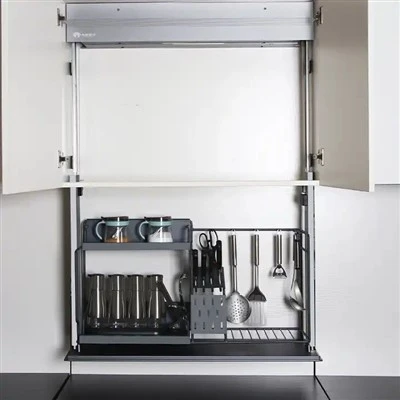
A motorized cabinet lift can bring a storage basket or cabinet interior down to a more comfortable height. After use, it can return to its original position, keeping the kitchen visually clean.

In the wardrobe
A motorized wardrobe lift can lower clothes stored in higher areas, reducing the need for stools or ladders.
For users of different heights, this creates a more comfortable and accessible storage experience.
The value is not simply convenience.
Furniture becomes an active part of the user's environment instead of a passive storage container.

Three Changes in Human–Furniture Interaction
1. From Standardization to Personalization
Fixed furniture gives everyone the same dimensions.
Motorized and adjustable systems allow different users to have different settings.
A storage system can be positioned according to height. A work surface can be adjusted for different activities. A wardrobe system can be designed around the people actually using it.
This is where ergonomic furniture design becomes more practical.
2. From Physical Effort to Simple Control
Traditional furniture often requires reaching, bending, pulling, or climbing.
Smart lift systems can replace much of this physical effort with touch controls or other simple operating methods.
Good smart furniture should not make the user think about the technology.
It should simply make the furniture easier to use.
3. From Individual Components to Complete Solutions
For furniture manufacturers, the opportunity is bigger than simply adding a motor.
A successful motorized furniture solution needs to work with the entire cabinet or furniture structure.
Load capacity, movement speed, operating noise, safety, power supply, cabinet dimensions, installation method, and appearance all need to work together.
This is particularly important for B2B buyers.The right lifting hardware is not just a component. It can become part of a more flexible furniture solution that helps manufacturers differentiate their products.
Angel Particle Smart Lift Solutions
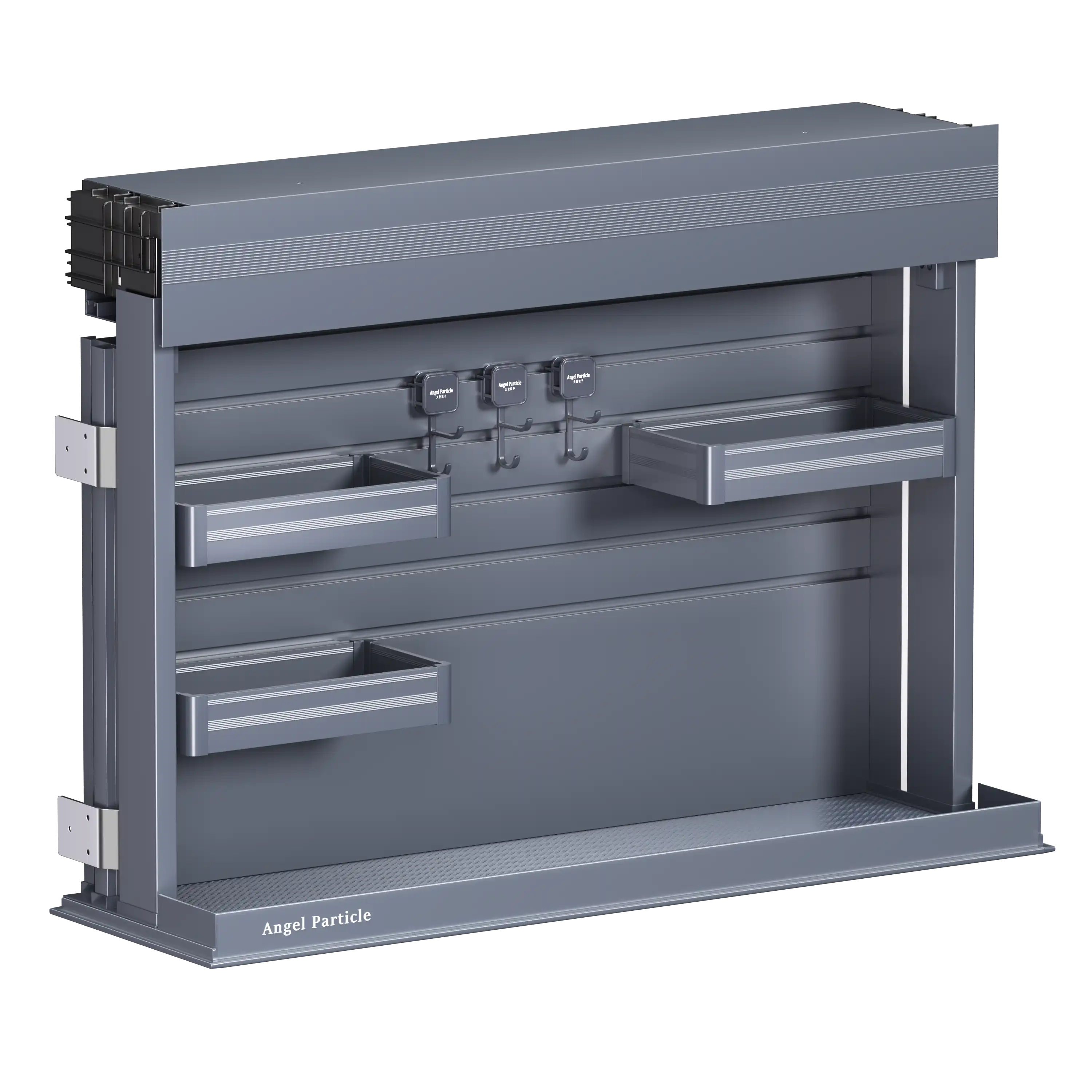
Companies focusing on motorized furniture hardware are already applying these ideas to real products.Angel Particle develops electric lift solutions for kitchens, wardrobes, bathrooms, and custom furniture applications.Its product range includes motorized cabinet lift baskets, multi-level lift systems, and motorized wardrobe lifts, designed to address common problems such as difficult-to-reach storage and inefficient use of vertical space.
In a kitchen, high storage can be brought down to a more accessible position.
In the bedroom, items can be stored neatly across different areas.
The technology itself may not be the most visible part of the furniture.That is precisely the point.When the system operates smoothly, quietly, and safely, the user simply experiences furniture that works better.


From Fixed Furniture to Adaptive Living
The development of smart furniture hardware is changing more than the way cabinets move.It is changing the relationship between people and the spaces they use every day.
Instead of designing furniture around one fixed standard, manufacturers can create products that better accommodate different users, activities, and living environments.
For consumers, that means easier access and greater comfort.For furniture brands and B2B manufacturers, it creates opportunities to develop more functional, ergonomic, and differentiated products.The future of smart furniture does not necessarily mean adding more technology.It means using technology where it solves a real problem.Furniture should adapt to people-not the other way around.